Laser Cutting Technology for Bending Sections: A Key Machining Solution for Precision Endoscope Components
Home 〉Blog 〉Laser Cutting Technology for Bending Sections: A Key Machining Solution for Precision Endoscope Components
Laser Cutting Technology for Bending Sections: A Key Machining Solution for Precision Endoscope Components
October 8, 2026
In the field of medical endoscopes, the bending section serves as the core structural component of the articulation unit, and its machining quality directly determines the bending flexibility and service life of the endoscope. Reusable bending sections consist of dozens of inter-riveted metal links. Each individual link features a wall thickness of merely 0.1 to 0.3 mm, imposing extremely stringent requirements on cutting accuracy and batch consistency. Boasting micron-level precision and non-contact machining advantages, laser cutting technology has become an ideal manufacturing process for bending sections.
Challenges in Bending Section Machining and Laser-Based Solutions
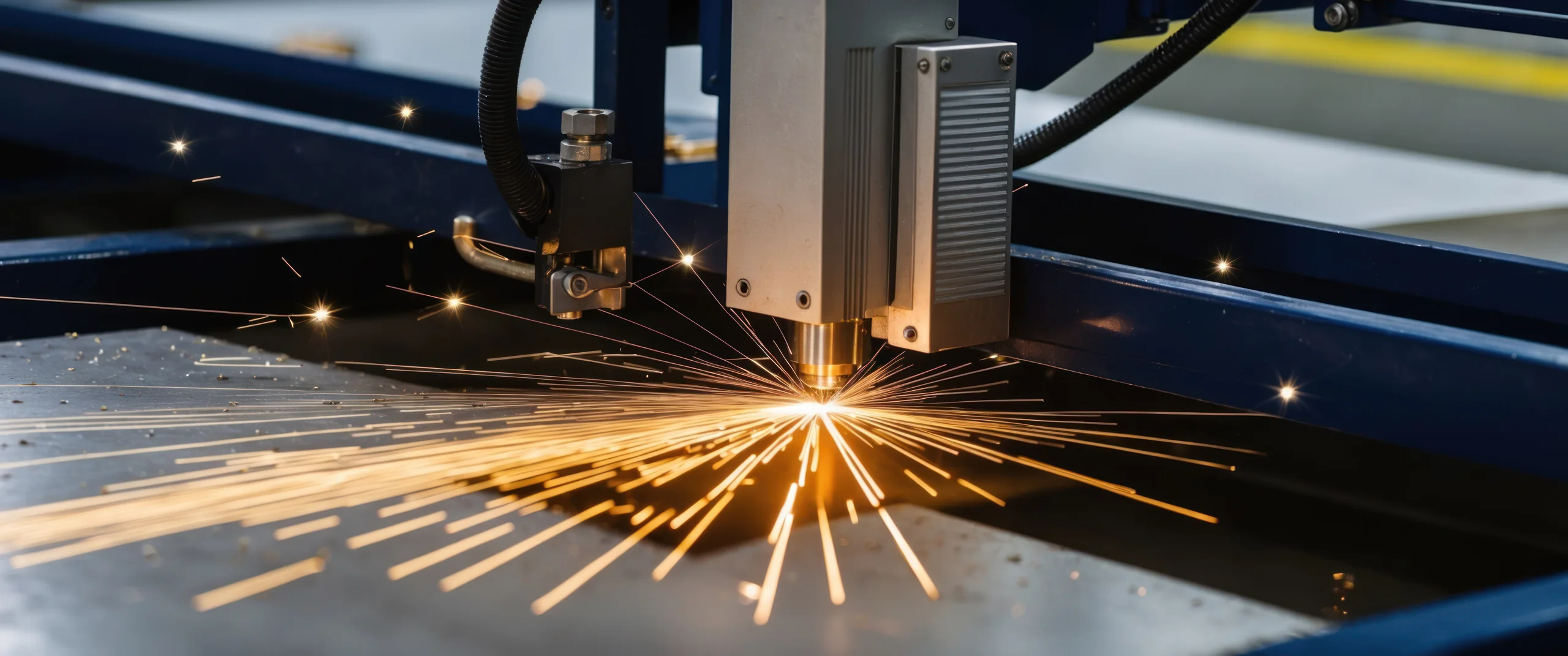
Bending sections are typically characterized by thin walls, irregular profiles and micro dimensions. Taking a 2.8 mm-diameter gastroscope tube as an example, each link requires complex riveting slots, limiting bosses and wire threading holes to be cut on a stainless steel tube with a 0.2 mm wall thickness. Conventional CNC machining suffers from tool interference, difficult burr removal and thin-wall deformation. Fiber laser cutting machines equipped with a 5-axis linkage system can complete cutting of internal and external contours plus functional features of links in a single pass, achieving ±5 μm accuracy. The cut edges are burr-free with no secondary post-processing required, greatly shortening the manufacturing cycle.
Intelligent Mass Production
New-generation laser cutting equipment for snake bone tubes integrates CCD visual positioning and on-line dimensional inspection systems. It can automatically identify the initial posture of tubing and compensate for clamping deviations to guarantee consistency across mass-produced links. Combined with automatic sorting and coding devices, the equipment supports 24-hour continuous operation, with a daily output of over 10,000 snake bone tube links per machine. Certain high-end models are also fitted with digital twin modules, which optimize cutting paths via real-time simulation and raise material utilization above 95%.
Strong Market Drivers
The global endoscope market size is projected to exceed USD 30 billion by 2026. The popularization of early gastrointestinal cancer screening and minimally invasive surgical procedures continuously fuels rising demand for endoscope bending sections. The domestic laser processing market for snake bone tubes has recorded a compound annual growth rate exceeding 30% over the past three years. Leveraging advantages in cost and service, domestic laser equipment manufacturers are accelerating their entry into the supply chains of international brands such as Olympus and Fujifilm.
Technology Trends
Going forward, laser cutting for endoscope bending sections will evolve toward multi-material compatibility (stainless steel, Nitinol, cobalt-chromium alloy) and ultra-miniaturization (outer diameter below 1 mm). The adoption of femtosecond laser technology will further eliminate the heat-affected zone, lifting the fatigue life of endoscope bending sections to more than 500,000 bending cycles and meeting the rigorous specifications of high-end endoscopes.
Contact Us
Start Your Medical Precision Metal Machining Project
An ISO13485-certified company with a class-10,000 cleanroom, offering one-stop laser machining for endoscope bending sections, hypotubes and semiconductor precision components — from design optimization to volume delivery.